Start with caregiver-led, gradual tactile play plus a few minutes of deep-pressure input at transitions. Those two moves carry the strongest research support and the least fuss. Everything below builds on that: a proper list of low-mess ideas, how to introduce new textures without a meltdown, and a simple kit you can throw in a bag.
TL;DR:
- Children may need gradual exposure to textures, starting with mediated tools like tongs or scoops before moving to direct touch.
- Deep-pressure activities such as massage or firm squeezes have the strongest evidence for helping with sensory regulation and transitions.
- A compact sensory kit should include a tactile tray, fabric swatches, fidgets, and a weighted lap pad to facilitate quick, predictable sessions.
- Introducing new textures should be staged with tools and short sessions, giving children control and ending with preferred activities to encourage future attempts.
- Sensory activities like rice trays or water play are best when combined with low-mess options and layered with sound or movement for longer engagement.
Table of Contents
- Tactile play ideas for autism: 13 hands-on activities
- How to introduce new textures without forcing contact
- Deep-pressure play for regulation and transitions
- What I pack: a compact sensory kit and 10 to 15 minute session plan
- When to get occupational therapy involved
- A Brighton mum’s honest note on messy play
- Try it at a Fidget and Spin session before you book a party
- Sources
- FAQ
Tactile play ideas for autism: 13 hands-on activities
Every child touching these materials is different, so I’ve built adaptations into each one. Gloves, scoops, and tongs turn “no thank you” into “maybe” for children who avoid direct contact. None of these need a trip to a specialist shop.
-
Sensory bin with mediators. Fill a shallow tray with dried lentils or chickpeas. Add scoops, funnels, and small containers. For a child who avoids touch, offer tongs first and let bare-hand contact happen on their terms. Works from toddler age up. Tip the tray straight into a bag for clean-up.
-
Play dough. Shop-bought or homemade, warmed slightly in your hands before handing it over. Roll it, hide small toys inside, press household objects into it for patterns. Offer a rolling pin for children who don’t want dough on their fingers. Dim the lights and put on quiet instrumental music while you knead.
-
Rice trays. Dyed or plain rice in a tray with cups and spoons. Add a scoop-and-pour “just right” challenge for children building tolerance. A dust sheet underneath makes clean-up a thirty-second job, not a Saturday chore.
-
Water play with lids on. Fill sealed sensory bottles or a zip-lock bag with water, glitter, and a few beads. Squish, roll, and press without a single drop escaping. This is genuinely the best no-mess sensory play option for a child who hates wet hands but loves the visual movement inside.
-
Shaving-foam window painting. Squirt foam onto a window or splashback and let your child spread it with fingers, a brush, or a squeegee. Add food colouring for extra input. Wipes off with one cloth. Pair it with bubbling water sounds on a speaker for a calming, multisensory moment.
-
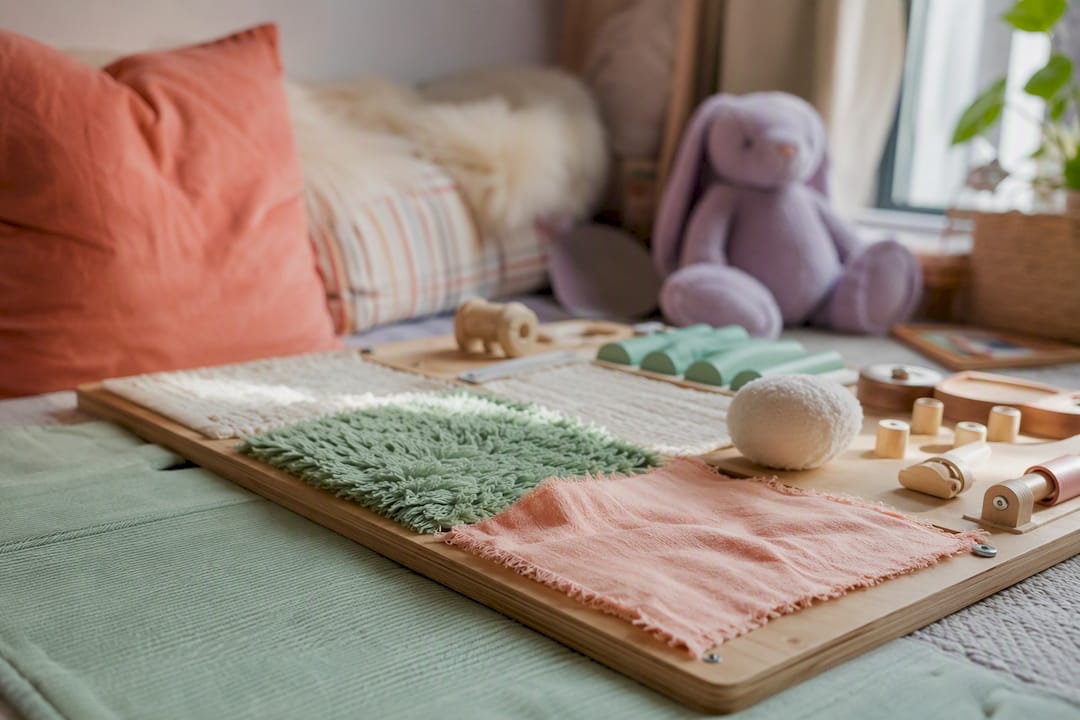
Textured walk. Line up trays or mats, including options like organic, soft, & sustainable baby play mats: bubble wrap, a bath mat, felt, sandpaper, a cushion. Bare feet or socked feet, depending on comfort. Great after a car journey when a child needs to reset before going indoors.
-
Fabric swatch box. Collect offcuts: velvet, corduroy, fleece, silky lining. Store in a shoebox and let your child sort or stroke them freely, no agenda attached. This one travels well and costs nothing.
-
Dough rollers and stampers. Cookie cutters, potato stampers, and textured rolling pins turned into a pretend bakery. Good for children who want a “job” rather than open-ended squishing.
-
Foam soap play. A squirt of unscented bubble bath whisked with a hand mixer (supervised) into stiff foam. Spread on a tray, draw shapes, add plastic animals. Unscented matters here. Fragrance is often the first thing that tips tactile play into overload.
-
Dry pasta craft. Threading, sorting, or gluing dry pasta shapes. Offer a spoon for stirring first if fingers aren’t ready. Good fine-motor crossover for four-year-olds and up.
-
Tactile treasure hunt. Hide small toys in a covered bin of shredded paper or fabric offcuts. Let your child dig with hands, a spoon, or a gloved fist. Turning it into a hunt shifts focus away from the texture itself, which helps hesitant children get started.
-
Kinetic sand alternative in a closed box. Moon sand or kinetic sand kept inside a lidded sensory bin with a cut hand-hole. Full sensory input, zero spillage across the carpet.
-
Textured collage tray. Cotton wool, pipe cleaners, foil, sandpaper offcuts, all glued onto card. Lets a child control exactly how much contact they want, and it doubles as something to stick on the fridge afterwards.
Combine any of these with dim lighting, quiet music, or gentle rocking on a therapy ball. Sensory-based interventions that layer touch with sound or movement tend to hold attention longer than touch alone.
How to introduce new textures without forcing contact
Nobody wants their child’s hand physically pushed into slime. I’ve seen it done “encouragingly” at a soft-play session and the child bolted for the door, understandably.
The better route uses mediator tools first: a spoon, a scoop, a paintbrush, even a glove. Progress to bare-hand contact only when your child’s own cues say they’re ready, not on your timetable.
- Offer the tool before the texture, always, every time.
- Keep sessions to five or six minutes with a visual countdown or timer.
- Give a real choice using AAC, PECS, or simple pointing: “spoon or fingers?”
- Stage it: covered bin, then gloved hand, then bare hand, over days or weeks, never one session.
- End on something preferred, a favourite song or five minutes of a loved toy, so the texture isn’t the last thing they remember.
Pro Tip: Never remove the “exit” option. A child who knows they can stop touching the rice tray whenever they want is far more likely to try it again tomorrow.
Deep-pressure play for regulation and transitions
Deep pressure is the one bit of sensory advice that actually holds up under scrutiny. A systematic review of sensory-based interventions found strong evidence specifically for deep-pressure tactile input and for caregiver training, stronger than for most other single-system tactile strategies.
Try these at home:
- A firm bedtime massage routine, five minutes, same order every night.
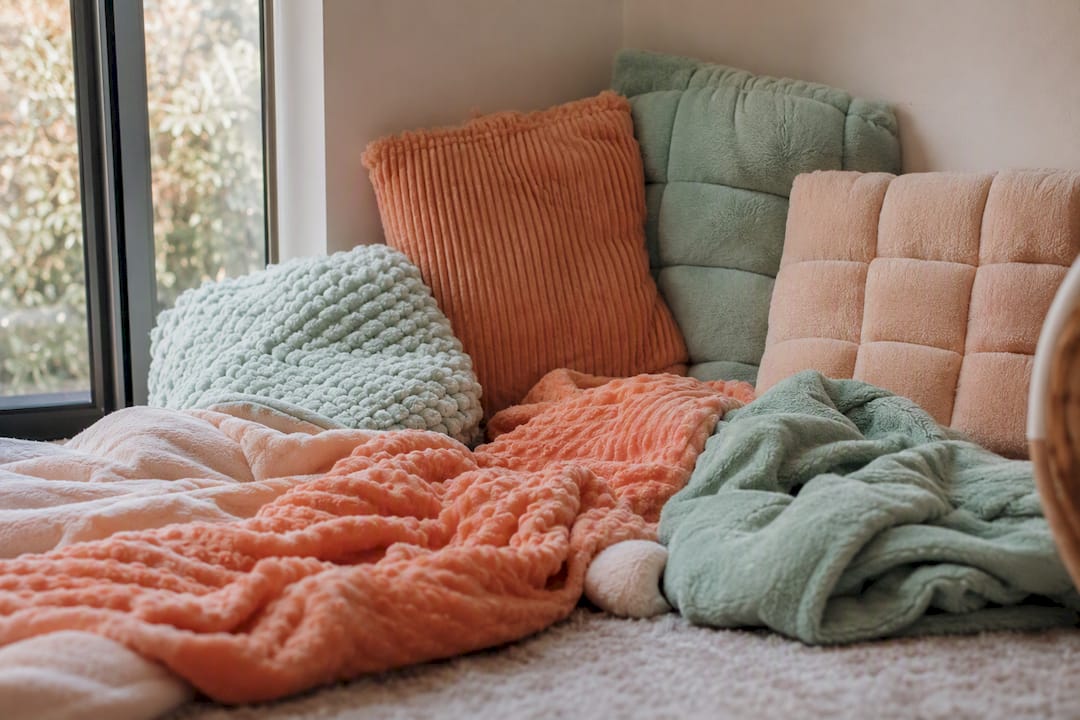
- A cosy corner with a supervised weighted lap pad for rest, never for sleep unsupervised.
- Firm hand or shoulder squeezes right before a transition, like leaving the park.
Two studies in that same review found sleep and settling improved when massage or joint compressions were used deliberately rather than randomly. Always supervise weighted items, check for overheating, and never cover a child’s face or restrict breathing.
What I pack: a compact sensory kit and 10 to 15 minute session plan
I once turned up to a friend’s for coffee with a rucksack that looked like I was moving in. Half of it was for Remy’s regulation, not snacks.
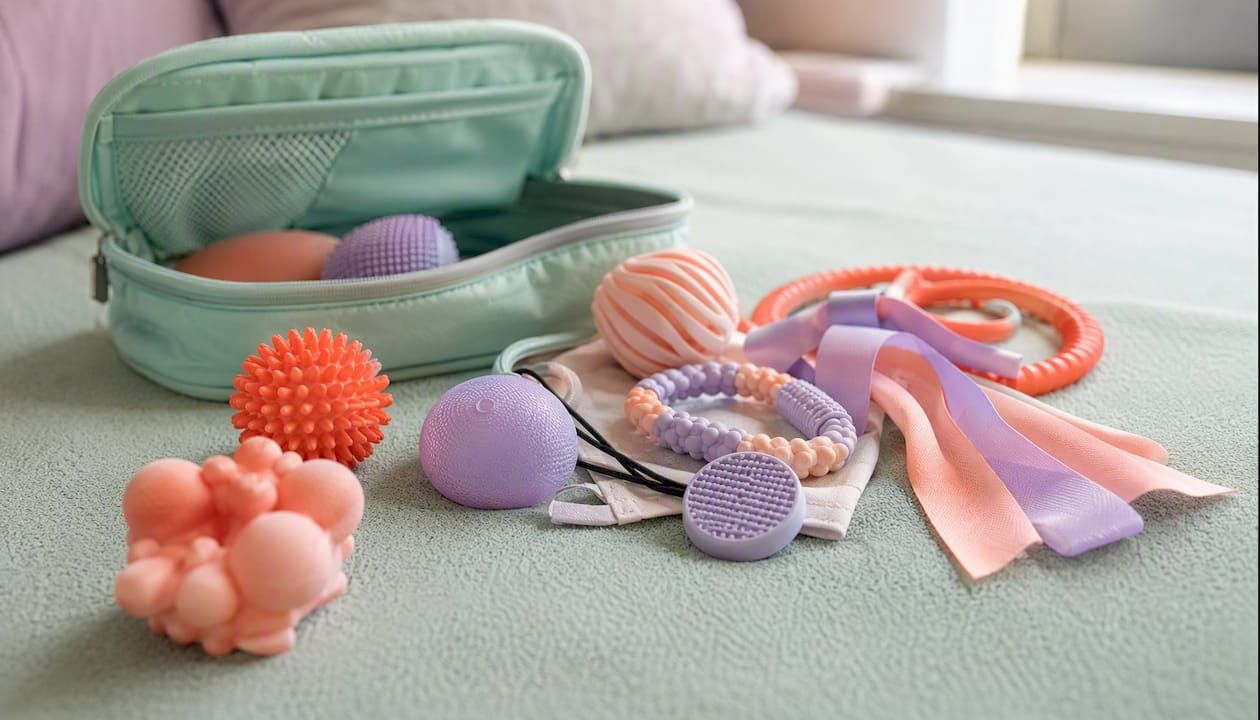
What’s actually in that bag now, pared right down:
- A small tactile tray (a takeaway container works fine) for rotating textures.
- Scoops or tongs, so touch is always optional.
- Three or four fabric swatches, easy to wipe or bin.
- A closed-lid kinetic sand alternative, no spillage panic.
- One or two small fidgets for hands that need something between activities.
- A soft weighted lap pad for the wind-down.
The session itself runs the same shape every time: a welcome minute, a choice of two textures, several minutes of play, a short deep-pressure wind-down, then a choice of calming activity to finish. Predictability is doing more work here than the toys are. At our sensory sessions, staff model exactly this rhythm so parents can copy it at home without a script.
When to get occupational therapy involved
If touch is getting in the way of dressing, feeding, or sleep, that’s worth a referral, not another Pinterest board.
Signs worth raising with a GP or SENCO:
- Persistent distress during dressing, hair washing, or nail cutting.
- Sleep disrupted specifically by bedding or clothing textures.
- Safety concerns, such as a child mouthing or eating non-food textures.
An occupational therapy assessment typically builds a sensory profile and a personalised, graded programme rather than a generic leaflet. Before the appointment, jot down what helps and what doesn’t, and a short phone video of a real reaction is worth more than any description you can give verbally.
A Brighton mum’s honest note on messy play
We left a soft-play birthday party after eleven minutes once. Remy touched the ball pit, froze, and that was that. Another parent gave me the look. I’ve stopped explaining myself to that look.
The realistic goal isn’t a whole afternoon of squishing rice. It’s ten guided minutes with a favourite toy nearby as backup. That’s a win. Write it down as one.
— Caitlin
Try it at a Fidget and Spin session before you book a party
Reading a list of ideas is one thing. Watching how a trained adult actually offers a texture, when to pause, when to switch to the scoop, is another thing entirely, and it’s the gap most soft-play venues never bridge. Fidget and Spin runs three sensory zones every week: Wiggle & Bounce for big movement, Squish & Squeeze for tactile play and fidgets, and Snuggle & Chill for when it’s all too much. Staff model exactly the coaching moves covered here, gently, in real time, with your child.
If you’re weighing up whether a birthday party will work for your child, come to a weekly stay-and-play first. See how our sessions work, then look at the SEN-friendly birthday party packages across Brighton, Hove and Sussex once you know the environment fits. Book a session and bring the fidgets from home. You won’t get a side-eye here.
Sources
- Frontiers in Pediatrics systematic review (2025)
- Systematic review of sensory-based interventions (2015–2024) - PMC
- Qigong Sensory Training research and replication study (Wiley, 2015)
FAQ
What are some good sensory play activities for autistic children?
Rice trays, sealed water bottles, play dough, and textured walks all work well, particularly when a scoop or glove is offered first for children who avoid direct contact.
What is the six second rule for autism?
There’s no established clinical guideline called the “six second rule” in occupational therapy or autism research; if you’ve seen it referenced elsewhere, treat it as informal advice rather than a recognised standard.
What are good tactile gifts for an autistic child?
Fabric swatch sets, closed-container sensory sand, textured fidgets, and weighted lap pads all make practical gifts, since each lets a child control how much contact they want.
What are good sensory items for autistic children?
Scoops, tongs, textured fabric squares, small fidgets, and a soft weighted lap pad cover most tactile needs without requiring specialist equipment.
How long should a tactile play session last?
Six to eight minutes of active tactile play, inside a ten to fifteen minute session that also includes a choice, a deep-pressure wind-down, and a calming finish, works well for most children building tolerance.
Recommended
- Effective sensory play strategies for neurodiverse kids | Fidget and Spin Brighton
- Creative sensory zone ideas for neurodiverse children | Fidget and Spin Brighton
- Sensory play best practices for neurodiverse children | Fidget and Spin Brighton
- Supporting an autistic toddler: a practical parent’s guide | Fidget and Spin Brighton